1. Psihologija barv.
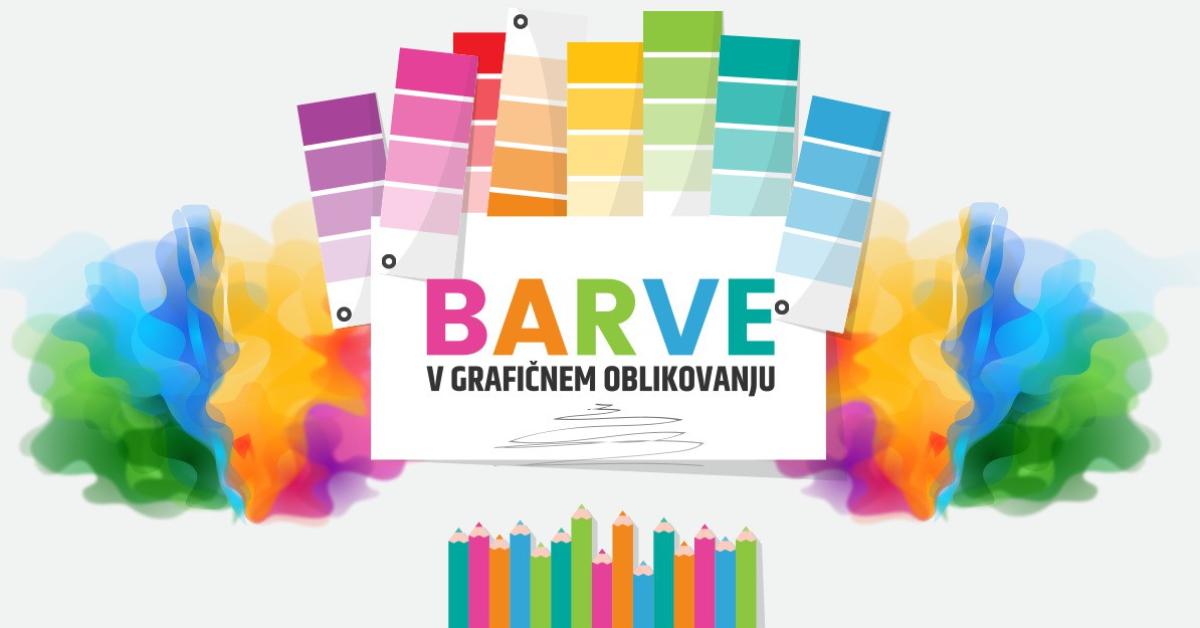
Barva je doživetje »opazovalca«. Vsaka barva ima svoj vpliv na naše počutje. Je tudi močno orodje pri oblikovanju vaše blagovne znamke. Čeprav se učinek, ki ga imajo barve na naša čustva, od osebe do osebe razlikuje glede na spol, kulturo, osebne izkušnje in nevrološke razlike, obstaja nekaj splošnih smernic, ki so bile potrjene z neštetimi študijami psihologije barv.
Pomeni barv:
Rdeča: strast, pozornost, pomembnost
Rumena: samozavest, optimizem, nežnost
Zelena: svobodnost, mirnost, pomirjenost
Modra: varnost, stabilnost, formalnost
Vijolična: dostojanstvo, razkošje, duhovnost
Vendar samo pomen barv ni dovolj. Drug izziv je ...
2. Pravilna barvna kombinacija
Zelo uporabno orodje je barvno kolo, torej grafični model, ki prikazuje, kako nastajajo zaporedne barve in kakšna so njihova razmerja med njimi. Komplementarne barve ležijo ena nasproti druge, katerih kombinacija daje močan kontrast, na primer temno modra in rumena. Harmonične barve so blizu druga drugi, vsi njihovi atributi pa so si podobni, torej imajo podoben odtenek, vrednost in barvnost. Kaj pomenijo ti trije izrazi, s katerimi lahko precej natančno označimo barvo?
- Odtenek ne samo poimenuje barvo, temveč določa tudi njeno temperaturo, torej večjo vsebnost rumene (tople barve) ali modre (hladne barve). Vsaka barva ima lahko svoj toplejši ali hladnejši odtenek. Za primer vzemimo grah in smaragdno zeleno - popolnoma sta si različni.
- Vrednost določa intenzivnost barve, to je, kako blizu je črni ali beli. Pastelno roza je torej svetle barve, bordo pa temne barve.
- Zadnji atribut je kromatičnost, torej čistost in jasnost, ki se z dodatkom sive zmanjša. Barva se takrat zdi dolgočasna in veliko bolj umirjena. Nevtralne barve so bela, vse sive in črne.
3. Barva glede na vašo ciljno skupino
Kdo je vaša ciljna skupina? Kakšna je njihova osebnost? V grobem lahko ciljno skupino razdelimo na skrajnosti: resna - igriva, mladostna - zrela, moderna - tradicionalna, ženska - moška, razkošna - poceni.
Ko so osebe opredeljene, lahko glede na njih razdelimo tudi barve. Dokazano je, da so mlajšim bolj privlačne svetle in žive barve, starejšim pa umirjene barve. Tople barve so bolj energične in spodbudne za delovanje, medtem ko hladne barve pomirjajo in umirjajo.
4. Barve v kulturi
Pomen barv v kulturi ne more biti prezrt. Na Finskem na primer kombinacija modre in bele barve implicira kakovost in domačnost. Omembe vreden je tudi verski, politični in družbeni pomen barv.
Barve vključujejo tudi skupne dogovore, ki se uporabljajo kot barvni signali, kot so prometni znaki, npr. rdeča - opozorilo, modra - vodenje, ali pa so povezane s svojimi letnimi časi, npr. rdeča - božič, oranžna - halloween.
Nič ne skrbite, če imajo vaši konkurenti enake barve kot vi. Obstaja veliko blagovnih znamk, ki uporabljajo rdečo in rumeno na primer – McDonald's, Hungry Jacks, Vegemite, Pizza Hut in Superman. McDonald's in Hungry Jacks sta neposredna konkurenta. To jih ne moti.
Izbira barv z ustreznimi parametri ima velik vpliv na učinkovitost oglasa oz. vaše blagovne znamke.
Z znanjem o psihologiji barv in našimi izkušnjami bomo poskrbeli, da bo vaša blagovna znamka, spletna stran ali druga tiskovina popolnoma ustrezala okusu strank.
Dobro grafično oblikovanje predstavlja polovico opravljenega dela in naša ekipa bo poskrbela za svež pristop pri trženm komuniciranju.
Vas zanima več?