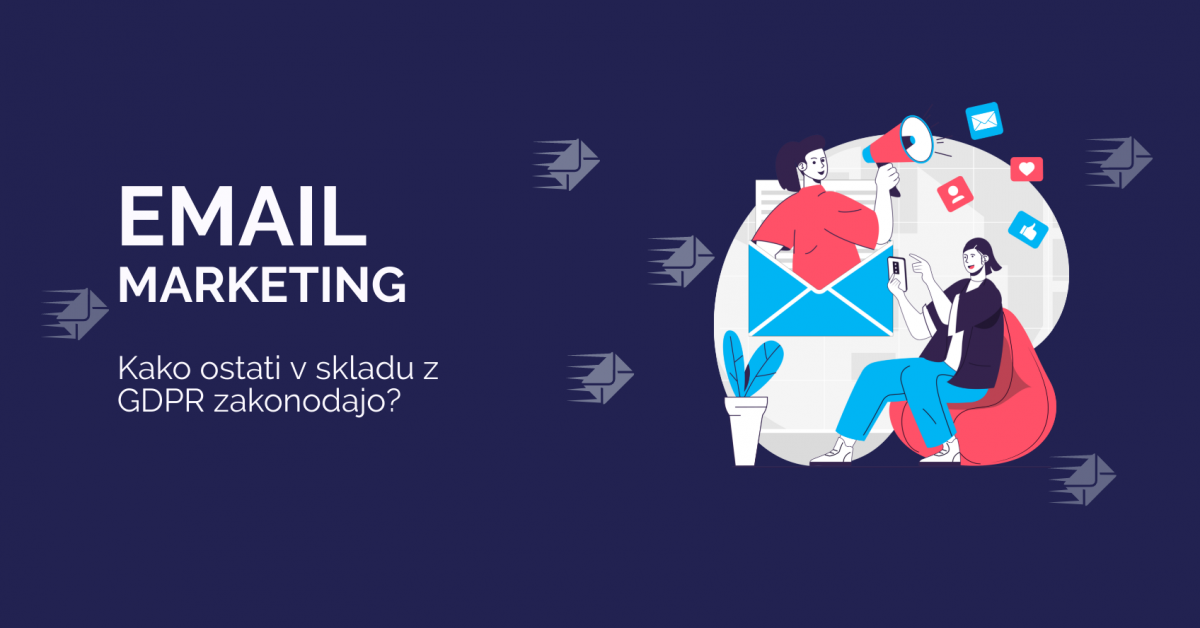
GDPR je bil sprejet z namenom povečanja nadzora državljanov nad njihovimi osebnimi podatki in poenostavitve regulativnega okolja za mednarodno poslovanje znotraj EU. Uredba se nanaša na vsa podjetja, ki obdelujejo osebne podatke posameznikov v EU, ne glede na to, kje so podjetja locirana. To vključuje tudi podjetja, ki pošiljajo email sporočila (pošiljanje email kampanj) posameznikom v EU. Če ste podjetje ali tržnik, ki spada pod omenjena merila, je ta kontrolni seznam za vas. Skladnost z GDPR kontrolnim seznamom za email marketing vam ne bo samo pomagala izogniti se težavam, ampak bo tudi izboljšala vaše odnose z uporabniki in naročniki.
GDPR in njegov vpliv na email marketing
GDPR je uvedel strožja pravila za pridobivanje soglasij, razširil pravice posameznikov glede njihovih podatkov in okrepil mehanizme za izvajanje pravil. Tržniki morajo zdaj pridobiti izrecno soglasje naročnikov za pošiljanje email sporočil in zagotoviti jasne in transparentne politike zasebnosti. Neupoštevanje teh predpisov lahko privede do visokih kazni in poškodovanega ugleda. Če se nameravate ukvarjati z email marketingom al pa ga že uporabljate si preberite spodnji seznam 11tih korakov.
11-korakni kontrolni seznam GDPR za e-mail marketing
- Razumevanje zbranih podatkov: Odkrijte izvor in vrsto podatkov, kje so shranjeni in kdo ima do njih dostop. Ugotovite ali ti podatki vključujejo občutljive osebne podatke.
- Obdelava podatkov in način njihove uporabe: Zagotovite zakonitost zbiranja podatkov in ustrezno upravljanje z njimi. Vodite evidenco vseh naprav, povezanih z vašim omrežjem in njihove vpletenosti v obdelavo osebnih podatkov.
- Uporaba dvofaktorske avtentikacije: Dvofaktorska avtentikacija pomaga zagotoviti, da so se uporabniki resnično strinjali s prejemanjem vaših e-poštnih sporočil.
- Poudarek na varnosti spletne strani: Zaščitite svojo spletno stran in podatke pred zunanjimi napadi. Neposodobljeni odprtokodni sistemi (Wordpress, Magento, ipd.) so najboljša tarča za hekerski napad.
- Jasna obrazložitev namena zbiranja podatkov: Stranke morajo biti seznanjene z vsemi podatki, ki jih zbirate o njih.
- Obvestila o zbiranju piškotkov: Obvestila o piškotkih morajo biti v skladu s predpisi GDPR.
- Ocenitev vseh storitev tretjih strank in tveganj: Zmanjšajte tveganja povezana s storitvami tretjih strank in zagotovite skladnost z GDPR.
- Redno posodabljanje in čiščenje seznama prejemnikov: Odstranite odjavljene kontakte in neveljavne e-poštne naslove.
- Zagotavljanje enostavnega odjave: Omogočite preprosto odjavo in izbrišite vse shranjene podatke za marketinške namene.
- Uporaba uglednega in skladnega ponudnika e-poštnih storitev: Izberite ponudnika e-poštnih storitev, ki je v skladu z GDPR.
- Posodobitev politike zasebnosti podjetja: Redno posodabljajte vašo politiko zasebnosti in pojasnite, kako zbirate in obdelujete osebne podatke uporabnikov.
Skladnost z GDPR v email marketingu
GDPR je lahko orodje za izboljšanje kakovosti vaših seznamov kontaktov, optimizacijo trženja in pridobivanje kakovostnejših podatkov za bolj personalizirane in ciljane kampanje. GDPR ponuja priložnost za pregled obstoječih procesov in izboljšave, zagotavljanje skladnosti z vsemi relevantnimi predpisi in boljšo splošno izkušnjo za vaše občinstvo.
Pogosta vprašanja o skladnosti GDPR in email marketinga
Kako naredim svoj e-mail marketing skladno z GDPR?
Uporabite zanesljivega ponudnika email marketinga, vključite pravne opombe v e-pošto, zagotovite ustrezne informacije in sledite zgoraj navedenemu seznamu za skladnost z GDPR pri email marketingu.
Katera orodja za email marketing izbrati?
Mailchimp je zagotovo eden izmed bolj priljubljenih orodij za e-mail marketing, saj je povsem enostaven za uporabo, prav zaradi te enostavnosti pa ima omejene možnosti in funkcionalnosti. Če želite
Ali lahko glede na GDPR zakonodajo kupim bazo kontaktov?
Nakup seznamov kontaktov pod GDPR ni nezakonit, če izvirajo iz zanesljivih virov s soglasjem. Vendar se nakup seznamov kontaktov odsvetuje, saj lahko negativno vpliva na uspešnost vaše kampanje.
Kako odgovoriti na e-mail o kršitvi podatkov?
Priznajte prejeto e-pošto in izrazite zaskrbljenost za prizadete posameznike v 72 urah.
Kakšne so kazni za neskladnost z GDPR?
Kazni za neskladnost z GDPR so lahko globe do 20 milijonov evrov ali do 4 % letnega globalnega prometa podjetja. Višina kazni je odvisna od resnosti kršitve in stopnje sodelovanja organizacije pri odpravljanju težav.